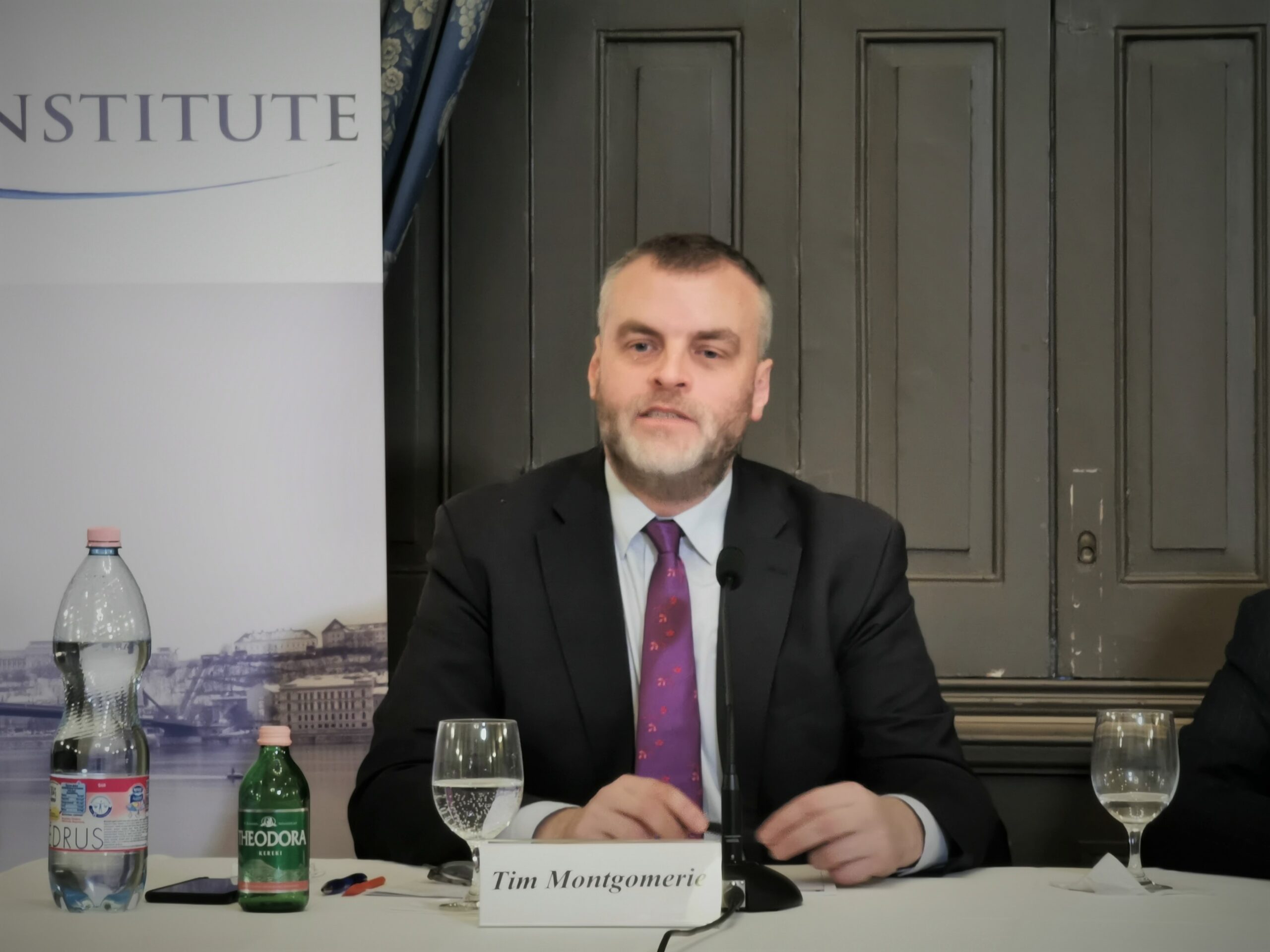
Tim Montgomerie has, at times, been the subject of public curiosity regarding his wellbeing, but the factual record shows he has not disclosed any serious physical illness or health issues.
The political commentator, best known as the co-founder of ConservativeHome and the Centre for Social Justice, has maintained an active presence across media and political debate for more than two decades.
Much of the speculation around Tim Montgomerie’s health problems appears to stem from comments he has made about exhaustion and the pressures of work rather than any diagnosed medical condition.
Montgomerie’s only confirmed public discussion about his health relates to his mental wellbeing during the COVID-19 pandemic lockdown period.
Like many people during that time, he spoke candidly about experiencing depression and emotional strain linked to isolation and disruption to normal routines.
He acknowledged that the extended period of solitude and uncertainty had a noticeable impact on his mental health.
Montgomerie has openly discussed seeking professional support, including counselling and medical advice, during that period.
He has described how treatment helped him manage symptoms while also highlighting the complex and personal nature of recovery.
Under medical supervision, he later chose to step away from medication and focus on broader approaches to maintaining mental wellbeing.
These remarks were made in the context of encouraging open conversations around mental health rather than signalling a long-term medical condition.
Beyond these disclosures, there is no verified information to suggest Montgomerie suffers from any ongoing serious physical illness.
Rumours that have circulated online suggesting strokes or chronic disease are not supported by any credible reporting or statements from Montgomerie himself.
Throughout this period, he has remained active in political commentary, writing, broadcasting and public speaking engagements.
His continued workload and visibility indicate that any health challenges he has referenced have been manageable and temporary rather than debilitating.
Montgomerie has occasionally spoken about feeling tired after particularly demanding periods of political coverage, but this has been framed as professional fatigue rather than a medical issue.
His willingness to speak about mental health during the pandemic was viewed by many as part of a broader national conversation about the psychological effects of lockdown.
It also reflected a growing openness among public figures to discuss personal experiences in a way that helps reduce stigma.
Despite this, Montgomerie has remained careful not to overshare personal details and has maintained a degree of privacy around his health.
He continues to be recognised as a prominent voice in British political debate, regularly appearing in media and contributing to public discourse.
Public interest in his wellbeing highlights how easily speculation can arise around familiar public figures.
However, the confirmed facts remain limited to his own comments about mental health challenges during an exceptional period in recent history.
There is no evidence to suggest that he is dealing with any serious or chronic physical health problems.
Montgomerie’s experience serves as a reminder of the pressures associated with public life and the importance of discussing mental wellbeing openly and responsibly.